Key Highlights
- Real-time monitoring significantly reduces water wastage and ensures supplies are replenished exactly when needed.
- Data-driven cleaning schedules replace rigid, inefficient hourly rotations with demand-based deployments.
- Enhanced user experience leads to higher tenant satisfaction and better overall building ratings.
- Collaboration with specialised IoT companies in Singapore allows for seamless integration into existing building ecosystems.
Introduction
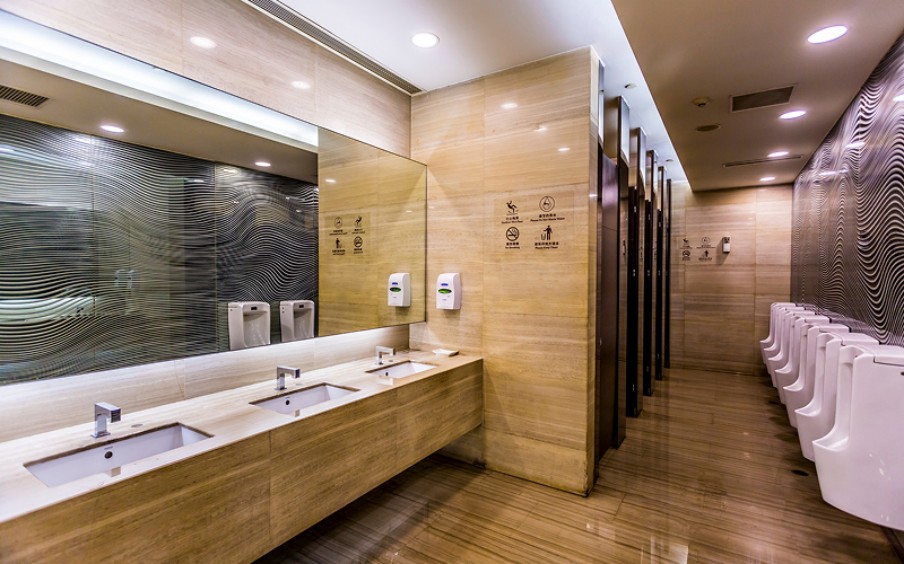
Managing a high-traffic commercial building used to involve a fair amount of guesswork and a reliance on manual checklists pinned to the back of cubicle doors. Facility managers are now swapping those paper logs for digital dashboards as they realise that the humble washroom is often the most critiqued part of any property. A robust
toilet management system acts as the nervous system of a smart building, providing a constant stream of data that helps teams stay ahead of complaints.
By moving away from reactive fixes, owners are finding that they can maintain a higher standard of hygiene while actually lowering their operational overheads. It is a shift from assuming everything is fine to knowing exactly how every tap and dispenser is performing at any given second.
Transitioning from Fixed Schedules to Demand-Driven Cleaning
The old way of doing things involved cleaners making rounds every hour, regardless of whether a single person had entered the facility or a whole tour bus had just departed. This approach is incredibly wasteful because it either over-cleans empty rooms or leaves busy ones in a state of disarray between scheduled visits. Implementing a toilet management system allows you to track footfall through non-intrusive sensors that trigger an alert only after a specific number of users have passed through the door.
It ensures that your janitorial staff focuses their energy where the demand is highest, which is a far more strategic use of labour in a tight market. When you partner with experienced IoT companies in Singapore, they can tailor these thresholds to suit the unique traffic patterns of your specific shopping mall or office tower.
Proactive Resource Management and Leak Detection
Nothing damages a building’s reputation or its utility bill quite like a leaking cistern that goes unnoticed for an entire weekend. Smart sensors within the plumbing can detect abnormal flow patterns and immediately flag a potential leak to the maintenance team before it results in a flooded floor or a massive water bill. Beyond just water, a comprehensive toilet management system monitors levels in soap dispensers and paper towel holders so that refills happen before the guest finds themselves empty-handed.
This level of precision prevents the “emergency” calls that usually disrupt a facility manager’s day and keeps the supply chain moving smoothly. Most IoT companies in Singapore now offer integrated modules that track these consumables in real-time, allowing for automated procurement and better inventory control.
Enhancing Public Health and User Satisfaction
In the post-pandemic landscape, the general public has become hyper-aware of touchpoints and the overall cleanliness of communal spaces. A washroom that smells fresh and functions perfectly is a powerful signal that the building management cares about the well-being of its occupants. By using a toilet management system, you can provide users with digital feedback panels where they can report issues like a broken lock or a messy stall with a quick tap.
This instant communication loop makes the user feel heard and allows the maintenance team to rectify problems in minutes rather than hours. The data gathered from these interactions provides a gold mine of information for long-term planning, helping you identify if certain fixtures are prone to frequent breakdowns.
Leveraging Local Expertise for Scalable Infrastructure
Building a smart facility requires a sophisticated backend that can handle thousands of data points without crashing or compromising security. This is where the technical prowess of
IoT companies in Singapore becomes invaluable, as they provide the gateways and cloud platforms necessary to make sense of all those sensor readings. These specialists ensure that your toilet management system communicates effectively with your central Building Management System (BMS), creating a unified view of your property’s health.
As buildings grow more complex, having a local partner who understands the specific regulatory and environmental challenges of the region ensures your technology investment remains future-proof. You aren’t just buying sensors; you are building a smart infrastructure that can grow alongside your business needs.
Conclusion
The adoption of smart technology in washrooms is no longer a luxury but a fundamental requirement for any facility aiming for peak efficiency and tenant retention. By integrating a toilet management system, you transform a traditionally problematic area into a data-rich environment that saves money and delights users. The intelligence provided by these systems allows for a level of operational agility that was simply impossible a decade ago.
Improve your facility’s intelligence and streamline your operations more efficiently!
Contact Overdrive IoT today for advanced IoT solutions in Singapore that empower businesses to lead the smart building revolution!